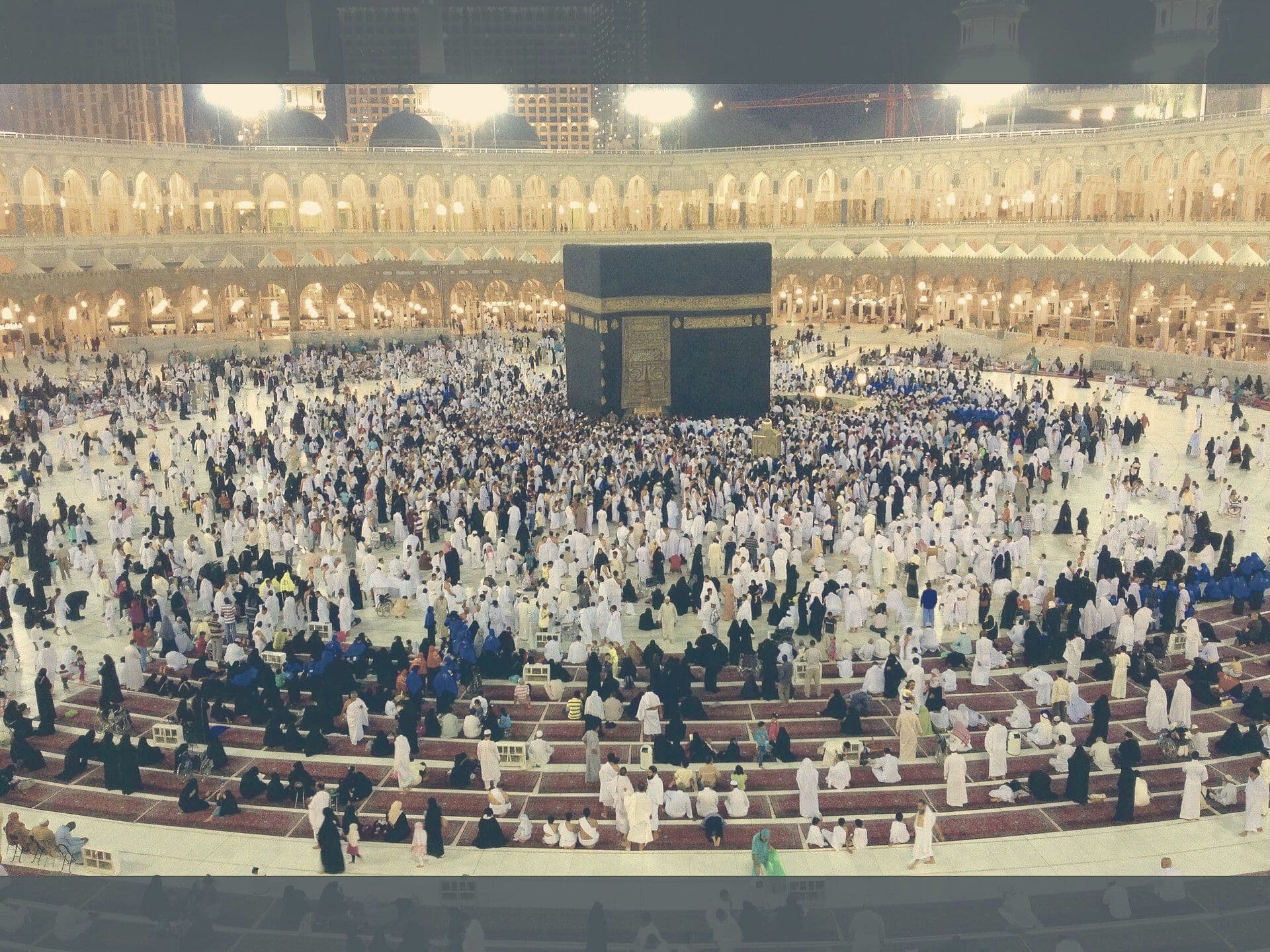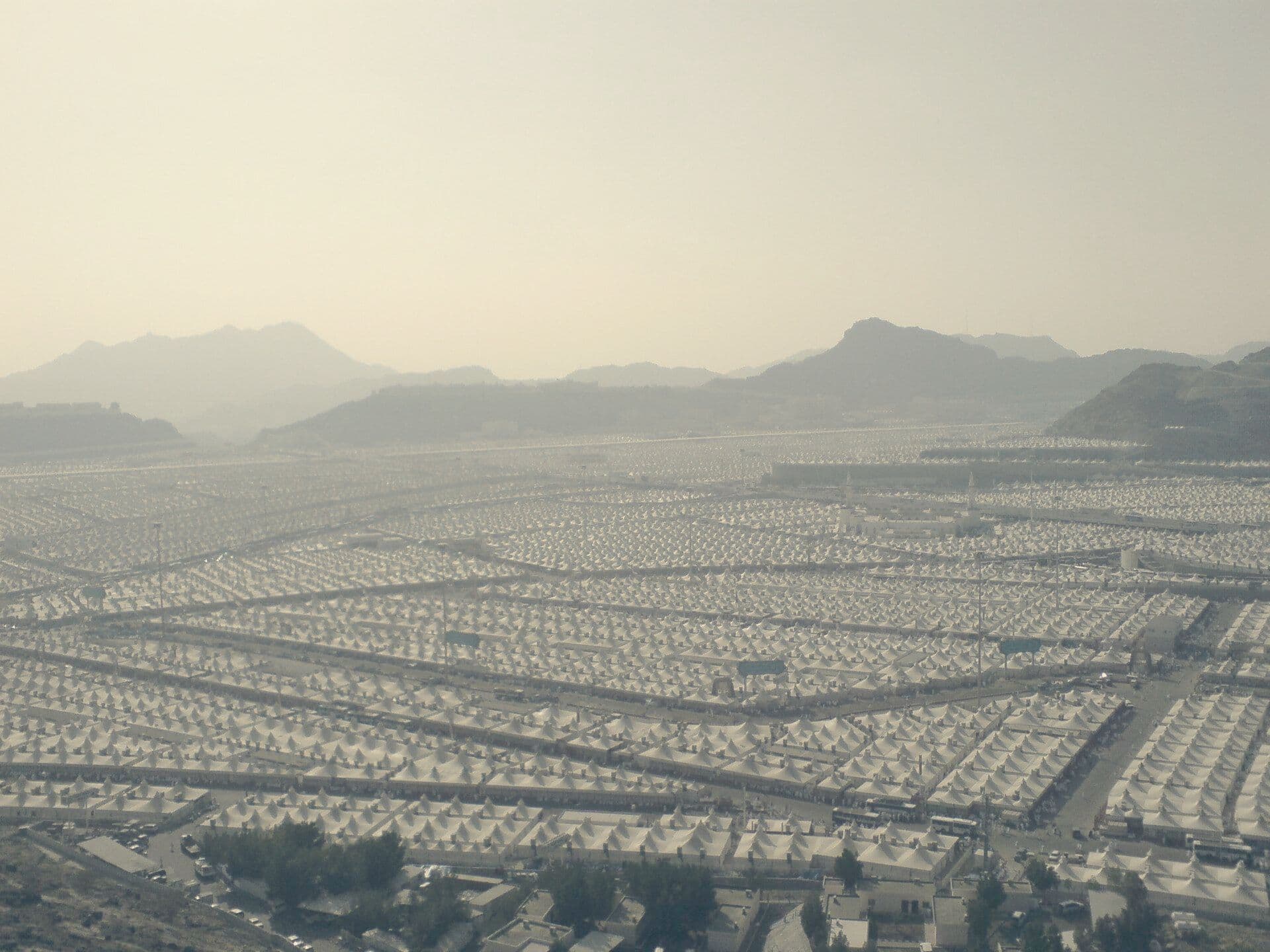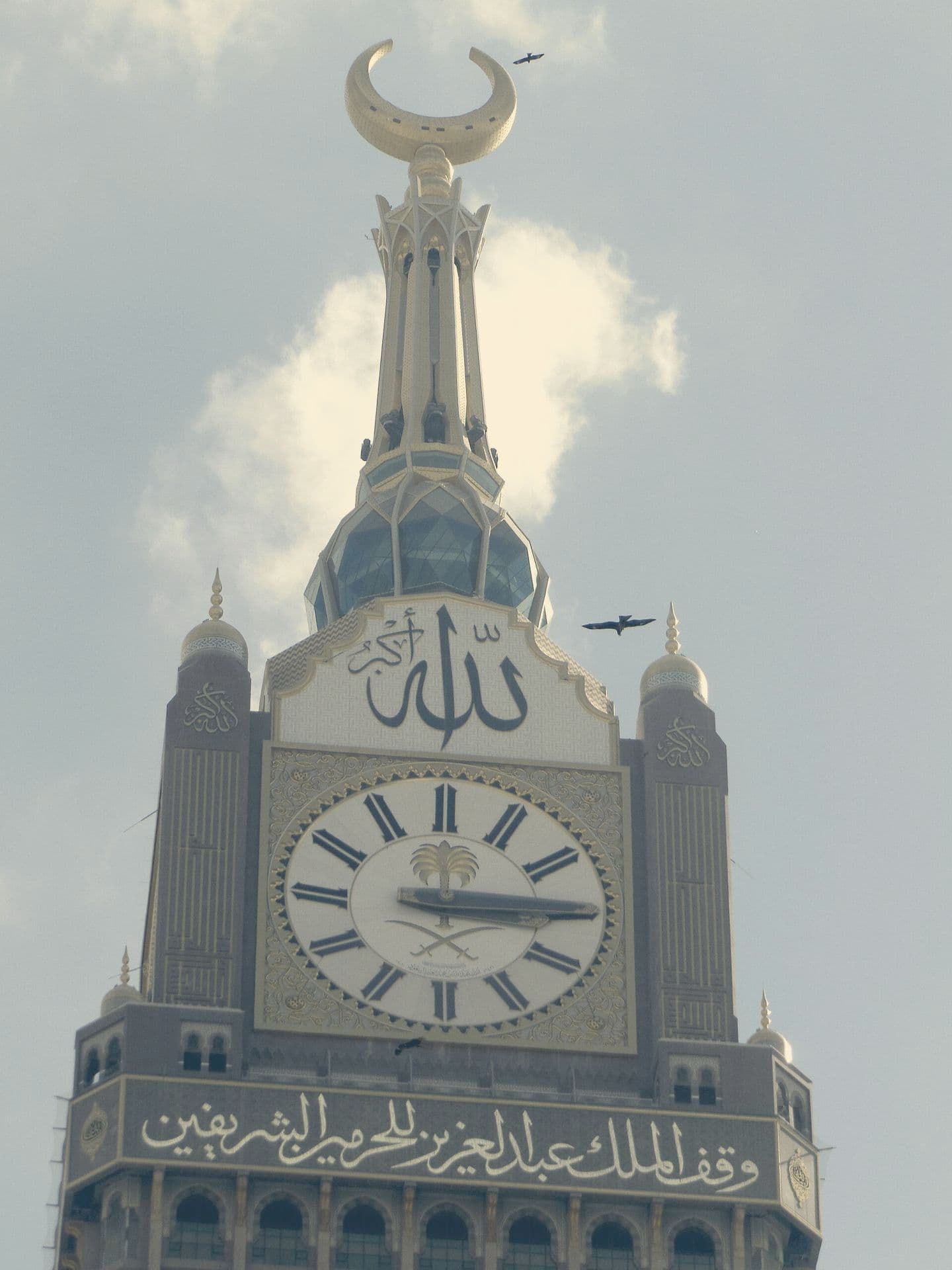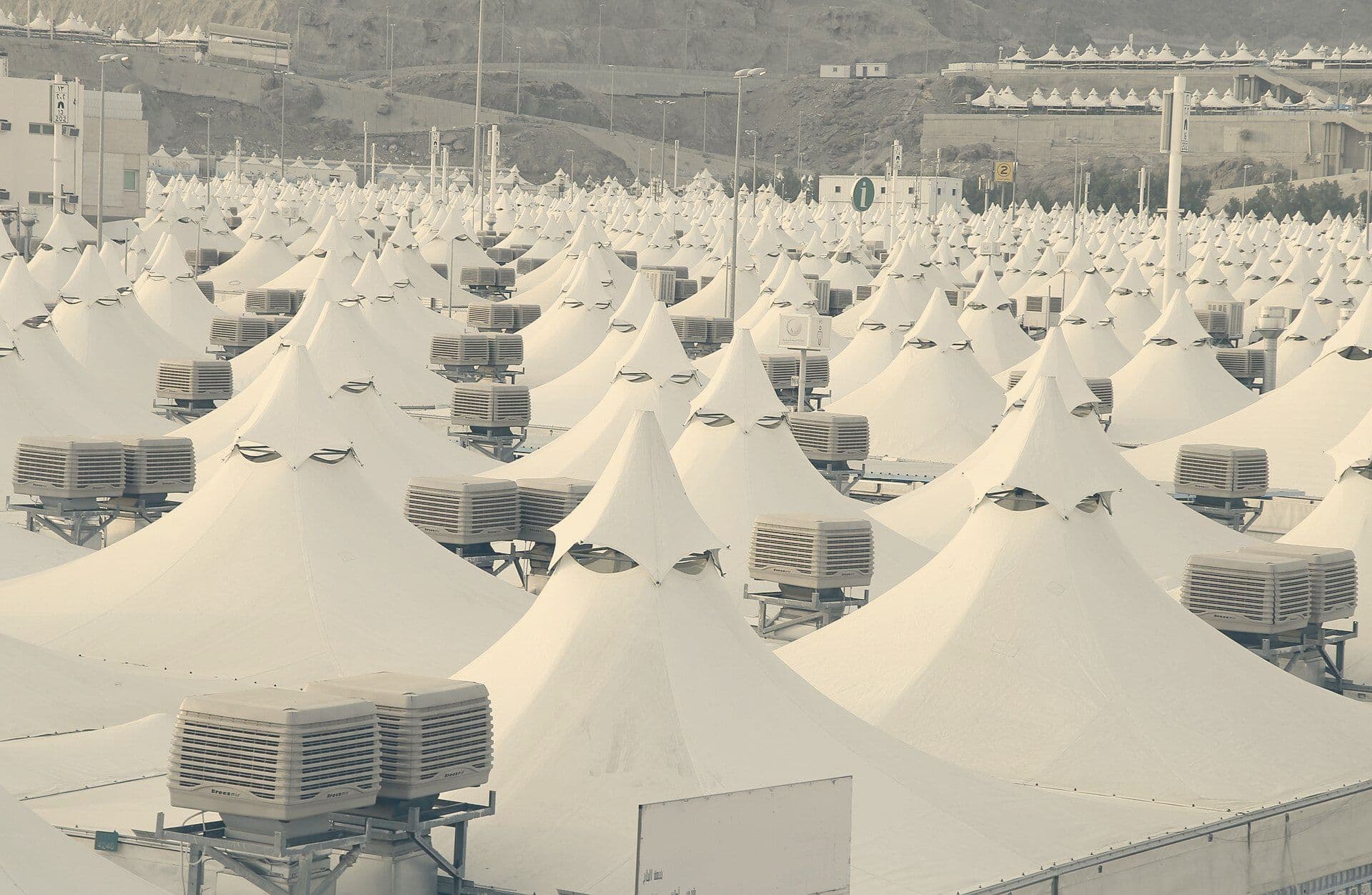
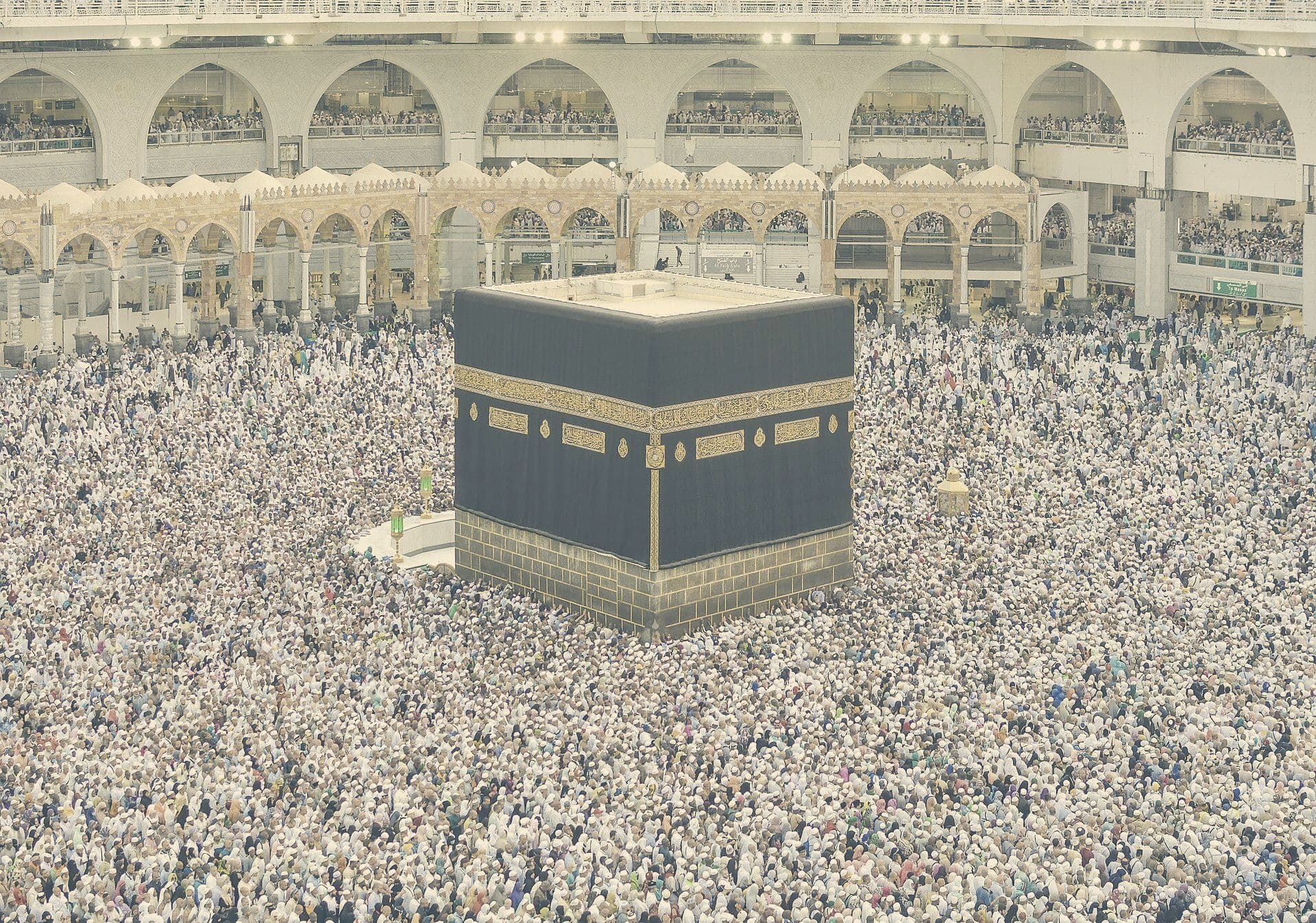
Hajj is the fifth pillar of Islam, obligatory once in a lifetime for those able, and is performed only on 8–13 Dhul Hijjah across Makkah, Mina, Arafat and Muzdalifah. Umrah is a highly recommended pilgrimage that can be performed any time of year in a few hours, consisting only of Ihram, Tawaf, Sa'i and Halq or Taqsir.
Side by side
| Hajj | Umrah | |
|---|---|---|
| Status | Fard — once in a lifetime if able | Sunnah mu'akkadah (some scholars: obligatory once) |
| When | 8–13 Dhul Hijjah only | Any time of year (not during the Hajj days) |
| Places | Makkah, Mina, Arafat, Muzdalifah | Masjid al-Haram only |
| Core rites | Ihram, Arafah, Muzdalifah, Rami, Qurbani, Halq, Tawaf, Sa'i | Ihram, Tawaf, Sa'i, Halq/Taqsir |
| Duration of rites | 5–6 days | 3–5 hours |
| Typical trip from India | 20–40 days | 10–21 days |
| Cost from Bengaluru | Ours: ₹6,99,999 (39 days) | From about ₹89,999 |
The three types of Hajj
| Type | How | Sacrifice |
|---|---|---|
| Tamattu' | Umrah first, out of Ihram, new Ihram for Hajj on the 8th — the most common for Indian pilgrims | Required |
| Qiran | Umrah and Hajj in one Ihram without a break | Required |
| Ifrad | Hajj only | Not required |
Which should I do first?
If you are able to perform Hajj, it takes priority because it is obligatory. Many families perform Umrah first, both for its reward and to learn the rites of Tawaf and Sa'i before Hajj.
Where scholars differ we give the majority practice; follow the scholar or madhhab you trust. Rules on visas, fees and permits are as of October 2026 and can change.